In commercial buildings, proper ventilation and air circulation are essential for maintaining a comfortable and healthy indoor environment. One common method used to achieve this is through the installation of ducting systems. Ducting allows for the distribution of heated or cooled air throughout the building, ensuring consistent temperature levels and air quality. While traditional ducting systems are typically installed within walls or ceilings, suspended ducting offers a more flexible and efficient alternative.
suspended ducting involves hanging ductwork from the ceiling of a building, rather than installing it within walls or floors. This method has several benefits that make it an attractive option for commercial buildings.
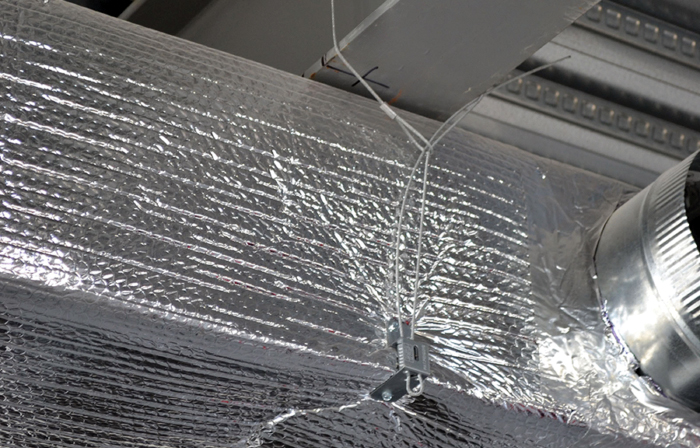
One of the primary advantages of suspended ducting is its flexibility. Unlike traditional ducting systems that are constrained by the layout of walls and ceilings, suspended ducting can be placed in any configuration necessary to achieve optimal airflow. This flexibility allows for more efficient air distribution throughout the building, ensuring that all areas receive adequate heating or cooling.
Additionally, suspended ducting is easier and quicker to install than traditional ducting systems. Because the ductwork is hung from the ceiling, there is no need for extensive construction to accommodate the ducting within walls or floors. This can significantly reduce installation time and costs, making it a cost-effective option for commercial building owners.
Another benefit of suspended ducting is its ease of maintenance. Traditional ducting systems that are installed within walls or floors can be difficult to access for routine maintenance and repairs. In contrast, suspended ducting is easily accessible from the ceiling, making it simple for technicians to inspect and service the system as needed. This can help prolong the lifespan of the ducting and ensure that it continues to operate efficiently.
Furthermore, suspended ducting can improve the aesthetics of a commercial building. Traditional ducting systems can create unsightly bulges or bulkheads in walls or ceilings, disrupting the overall design of the space. With suspended ducting, the ductwork is neatly suspended from the ceiling, providing a more streamlined and visually appealing look. This can be particularly important in settings where aesthetics are a priority, such as restaurants or retail establishments.
In addition to these benefits, suspended ducting can also improve the overall efficiency of a building’s HVAC system. By allowing for more precise control over airflow and ventilation, suspended ducting can help reduce energy consumption and lower heating and cooling costs. This can result in significant savings for building owners over time, making suspended ducting a sound investment for commercial properties.
Overall, suspended ducting offers a range of benefits that make it a superior option for achieving efficient airflow in commercial buildings. Its flexibility, ease of installation and maintenance, aesthetic appeal, and energy efficiency all contribute to its appeal as a cost-effective and practical solution for ventilation and air circulation. Whether in new construction or as a retrofit option for existing buildings, suspended ducting is a smart choice for improving indoor air quality and comfort in commercial spaces.
In conclusion, the use of suspended ducting in commercial buildings offers a range of benefits that make it an attractive alternative to traditional ducting systems. Its flexibility, ease of installation and maintenance, aesthetic appeal, and energy efficiency all contribute to its effectiveness in achieving efficient airflow and ventilation. Building owners looking to enhance the comfort and functionality of their commercial spaces should consider the advantages of suspended ducting as a practical and cost-effective solution.