When it comes to HVAC systems, one key component that is often overlooked but essential for proper installation and functionality is HVAC rope HVAC rope plays a vital role in ensuring that ductwork, piping, and other components of HVAC systems are properly secured and supported In this article, we will explore the importance of HVAC rope and why it is crucial for the overall performance of HVAC systems.
HVAC rope is commonly used in the installation of ductwork in HVAC systems Ductwork serves as the pathways through which air is transported from the HVAC unit to various rooms in a building It is crucial that ductwork is properly installed and secured to ensure that air can flow smoothly and efficiently throughout the building HVAC rope is used to hang and support ductwork, ensuring that it remains in place and does not sag or collapse under the weight of the air flowing through it.
In addition to supporting ductwork, HVAC rope is also used to secure piping in HVAC systems Piping is used to transport refrigerant, water, or other fluids throughout the HVAC system Proper installation and support of piping are essential to prevent leaks, ensure proper flow of fluids, and maintain the overall efficiency of the system HVAC rope is used to secure piping to walls, ceilings, or other structures, providing the necessary support to prevent sagging or movement.
One of the key benefits of using HVAC rope in HVAC systems is that it is durable and strong, capable of supporting heavy ductwork, piping, and other components HVAC rope is typically made from high-quality materials such as nylon, polyester, or polypropylene, which are resistant to stretching, tearing, or breaking under pressure This durability ensures that HVAC rope can effectively support ductwork and piping without risking failure or collapse, even under the most demanding conditions.
Another benefit of HVAC rope is its flexibility and ease of use hvac rope. HVAC rope can be easily cut to size, tied, or attached to various components of an HVAC system, making it versatile and adaptable to different installation requirements HVAC rope can also be easily adjusted or repositioned as needed, allowing for quick and efficient installation and maintenance of HVAC systems This flexibility makes HVAC rope an essential tool for HVAC contractors and technicians, enabling them to securely and effectively install ductwork and piping in a variety of commercial and residential settings.
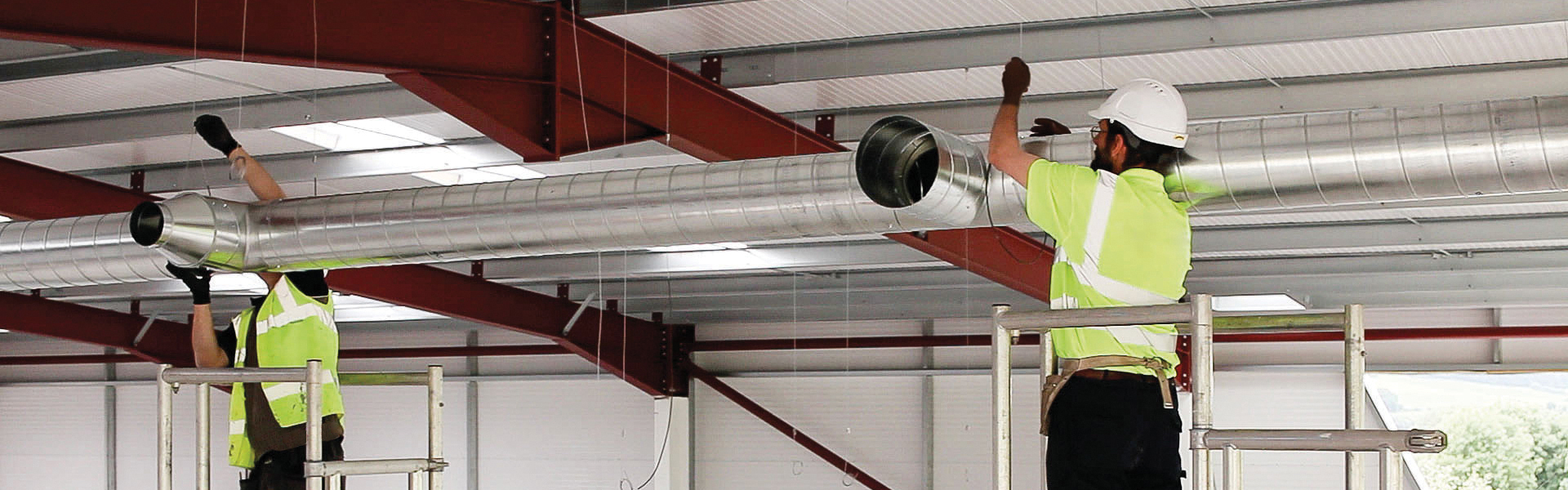
Proper installation of HVAC rope is essential to ensure its effectiveness and longevity in supporting ductwork and piping HVAC rope should be securely attached to structural supports such as beams, joists, or walls using appropriate fasteners such as screws, bolts, or clamps Care should be taken to ensure that HVAC rope is properly tensioned and positioned to provide adequate support and prevent sagging or movement of ductwork and piping Regular inspection and maintenance of HVAC rope should also be conducted to check for signs of wear, damage, or deterioration and address any issues promptly to prevent failure or compromise of the system.
In conclusion, HVAC rope plays a crucial role in ensuring the proper installation and functionality of HVAC systems By providing strong, durable support for ductwork and piping, HVAC rope helps maintain the efficiency and performance of HVAC systems, ensuring smooth airflow and optimal temperature control in buildings HVAC contractors and technicians should prioritize the use of high-quality HVAC rope in their installations to guarantee the reliability and longevity of HVAC systems With proper installation and maintenance, HVAC rope can help maximize the efficiency and effectiveness of HVAC systems, providing comfort and safety to occupants of commercial and residential buildings alike.